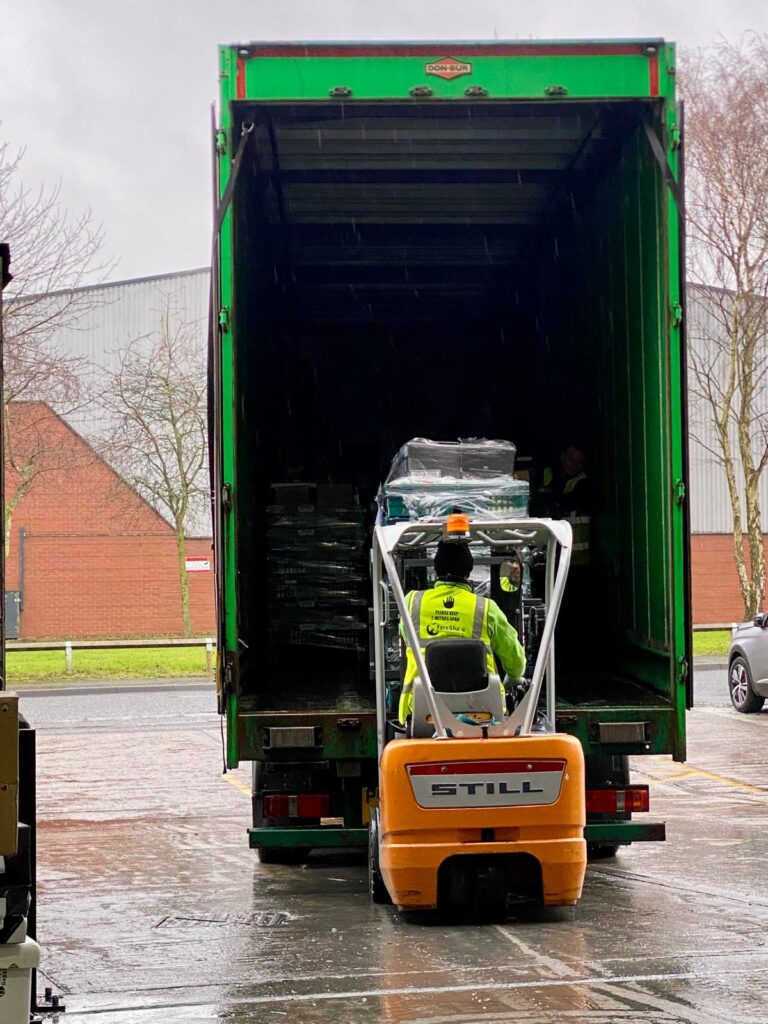
The Hadfield Institute in Sheffield provides vital support to its local community through information, signposting, learning opportunities, and employment support. Since May 2020, the charity has relied on surplus food from FareShare Yorkshire, receiving 51 volunteer-led deliveries each year to sustain its growing programmes.
Hadfield runs five active projects — Youth Crisis, Domestic Abuse, Single Parents, Bridge the Gap, and the Food Pharmacy. FareShare Yorkshire directly supports the Food Pharmacy, a cornerstone of Hadfield’s community provision.
Supporting Families Under Severe Pressure
The Hadfield Food Pharmacy has supported 3,400 clients, powered by 29 volunteers, distributing 2,900 food parcels to individuals and families experiencing acute hardship. Its reach spans some of Sheffield’s most disadvantaged neighbourhoods — Burngreave, Pitsmoor, Southey Green, Firth Park, and Page Hall — where the cost-of-living crisis is felt most sharply.
3,400
Client supported
2,900
Parcel distributed
29
Volunteers powering the project
51
Deliveries every year
Families supported through the Food Pharmacy are often navigating:
- Low income and rising living costs
- Increased energy bills
- Food insecurity and meal-skipping
- Complex household pressures, particularly for single parents
- Limited access to mainstream support, especially for refugees, asylum seekers, and families with
no recourse to public funds
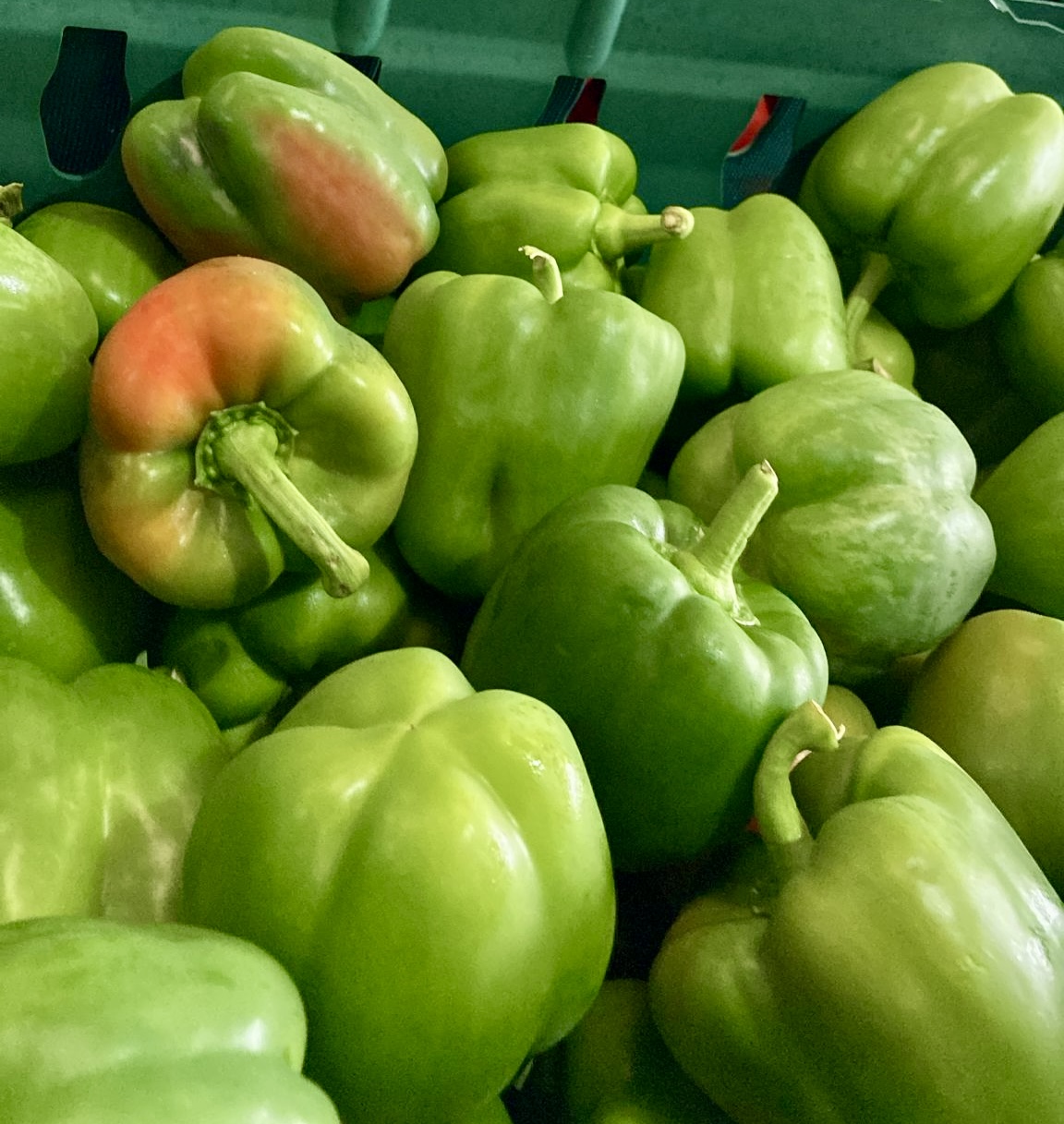
FareShare Yorkshire’s provision of fresh fruit, vegetables and essential staples enables families to maintain healthier diets despite financial constraints — a critical factor in children’s wellbeing, development, and engagement in education.
Extending Support Across the Community
FareShare Yorkshire’s food supply has strengthened Hadfield’s wider community programmes, enabling:
- 140 hot meals for children across four Half-Term sessions
- 160 meals for children during the Easter Holiday programme
- Support for 15 elderly individuals facing mobility, isolation, and rising household costs
- Engagement with 117 parents through the Arabic Community Centre
- Food support for 16 refugees and asylum seekers
- Provision for 25 families with no access to public funds
This expanded reach has reduced financial pressure on families, improved children’s nutrition during school holidays, and strengthened Hadfield’s ability to respond flexibly to rising demand.
A Significant and measurable impact on our work”
– Muna Tasha, Hadfield Institute
“The additional support received from FareShare Yorkshire has had a significant and measurable impact on our work at the Hadfield Food Pharmacy. With increased access to food supplies, we have been able to support more families consistently, while also improving the nutritional value of the food provided. Access to fresh produce, in particular, has made a meaningful difference, allowing families to prepare healthier, more balanced meals.
This support has helped parents manage limited household budgets, reducing the need to make difficult choices between food, heating, and other essential costs. It has strengthened our community provision and ensured that children attending our sessions receive consistent, nutritious meals.
Overall, the partnership with FareShare Yorkshire has enhanced our ability to deliver meaningful, community-led support — helping families feel more secure, reducing hardship, and strengthening the resilience of some of the most vulnerable people in our community.”
Why This Partnership Matters
The collaboration between FareShare Yorkshire and the Hadfield Institute demonstrates how surplus food redistribution can:
- Strengthen community resilience
- Reduce hardship for families under severe financial strain
- Improve children’s nutrition and wellbeing
- Support vulnerable groups excluded from mainstream services
- Enable charities to scale their reach without increasing costs
Together, both organisations are ensuring that dignity, stability, and practical support remain accessible to those who need it most.